

copper free mirror meaning
Exploring the Benefits and Applications of OEM Mushroom Vent Caps In the world of manufacturing, Original Equipment Manufacturer (OEM) components play a crucial role in ensuring that products meet specific design and functional standards. One such component that has gained attention is the mushroom vent cap. These caps, designed in a unique mushroom shape, serve various purposes across different industries, offering a blend of functionality and style. Understanding Mushroom Vent Caps Mushroom vent caps are typically made of durable materials like plastic or metal and are engineered to regulate airflow and pressure in various systems. The cap’s design allows for effective ventilation while preventing the ingress of dirt, debris, and moisture. This makes them ideal for applications in automotive, HVAC, industrial machinery, and even consumer products. The term OEM signifies that these caps can be custom-designed and manufactured to meet the specific needs of a client, allowing businesses to integrate them seamlessly into their products. Applications in Diverse Industries 1. Automotive In automotive engineering, maintaining optimal air pressure and temperature is critical. Mushroom vent caps help manage airflow in engines and fuel tanks, reducing the risk of pressure build-up that could lead to leaks or failures. By using OEM mushroom vent caps, manufacturers can ensure that their vehicles comply with safety standards while enhancing performance. 2. HVAC Systems In heating, ventilation, and air conditioning (HVAC) systems, effective ventilation is essential for maintaining air quality. Mushroom vent caps are used in duct systems to allow for the escape of excess air while blocking contaminants. Their design facilitates airflow, improving the system's efficiency and longevity. Custom OEM designs can cater to specific duct sizes and performance requirements. 3. Industrial Machinery Many industrial machines require precise airflow regulation to function effectively. Mushroom vent caps are integrated into these machines to allow heat dissipation and prevent moisture accumulation, which can lead to corrosion and operational failure. By sourcing OEM components, businesses can ensure that these caps are tailored to the machinery's unique specifications, ensuring impeccable fit and function. oem mushroom vent cap 4. Consumer Products The growing trend of smart home technology has paved the way for innovative applications of mushroom vent caps. They are used in devices like air purifiers and humidifiers to regulate air movement while maintaining aesthetics. Custom designs can enhance the product’s visual appeal, making them more attractive to consumers. Advantages of Using OEM Mushroom Vent Caps One of the primary advantages of utilizing OEM mushroom vent caps is the ability to customize designs to meet specific requirements. This customization extends beyond mere sizing; it can include material selection, color variations, and functional enhancements. By collaborating with manufacturers that specialize in OEM parts, businesses can achieve higher product differentiation and performance. Another significant benefit is quality assurance. OEM manufacturers often adhere strictly to industry standards, ensuring that their products are reliable and durable. This reliability translates to lower maintenance costs and longer product lifespans, which is a plus for any business looking to enhance their reputation. Additionally, OEM partnerships can lead to more efficient supply chain management. By working closely with manufacturers, businesses can streamline the procurement process, making it easier to meet production timelines without compromising quality. Conclusion In summary, OEM mushroom vent caps are an essential component in many industries, providing vital solutions for airflow regulation and moisture control. Their innovative design and customizability make them an attractive choice for automotive, HVAC, industrial, and consumer product applications. By investing in high-quality OEM components, businesses can improve product functionality and performance, ultimately leading to increased customer satisfaction and loyalty. As the demand for efficient and reliable ventilation solutions continues to grow, mushroom vent caps will undoubtedly play a significant role in shaping the future of manufacturing across various sectors.
about
copper free mirror meaning
Metal vs. Block An In-Depth Comparison in Modern Applications In the ever-evolving realm of materials science, the choice between metal and composite blocks has become a critical topic for engineers and designers alike. Each material comes with its own set of advantages and challenges, which can significantly influence the performance, durability, and cost-effectiveness of a project. Metal vs . Block An In-Depth Comparison in Modern Applications However, metals do come with their downsides. They can be heavy, leading to increased weight in applications where reducing mass is crucial. Additionally, metals are susceptible to corrosion, which can compromise their integrity over time, especially in harsh environments. Engineers often need to consider protective coatings or alloying elements to mitigate these issues, which can add to the cost and complexity of projects. metal v block On the other hand, block materials—often referring to composite blocks—have gained popularity in recent years. Composites, made from a combination of materials such as plastics, fibers, and resins, offer exceptional lightweight properties without sacrificing strength. This characteristic has led to their widespread use in industries like sports equipment, marine applications, and even in some aerospace components. One notable advantage of composite blocks is their resistance to corrosion and environmental degradation. The non-metallic nature of these materials allows them to perform well in scenarios where metals would typically fail, such as exposure to saltwater or chemical environments. Moreover, composites can be engineered to exhibit specific properties tailored to particular applications, providing designers with unparalleled flexibility. However, the use of composite blocks is not without limitations. The manufacturing processes for composites can be more intricate and costly, especially when it comes to ensuring consistent quality and performance. Additionally, the repair of composite materials can be more challenging than traditional metal repairs, necessitating specialized knowledge and techniques. In conclusion, the choice between metal and block materials ultimately hinges on the specific requirements of a project. Metals provide unmatched strength and proven engineering benefits, while composites offer versatility and resistance to environmental challenges. Understanding the unique properties of each material allows engineers to make informed decisions that align with their project goals, ensuring optimal performance and longevity. As advancements continue in both fields, the debate between metal and block will undoubtedly keep evolving, highlighting the importance of innovation in materials science.
-

High quality industrial productsagement

High quality industrial products
View Details -

Meet the diverse needs of customers

Meet the diverse needs of customers
View Details -

Strict quality control

Strict quality control
View Details -

Top raw materials

Top raw materials
View Details -

Trusted supplier

Trusted supplier
View Details
Our application


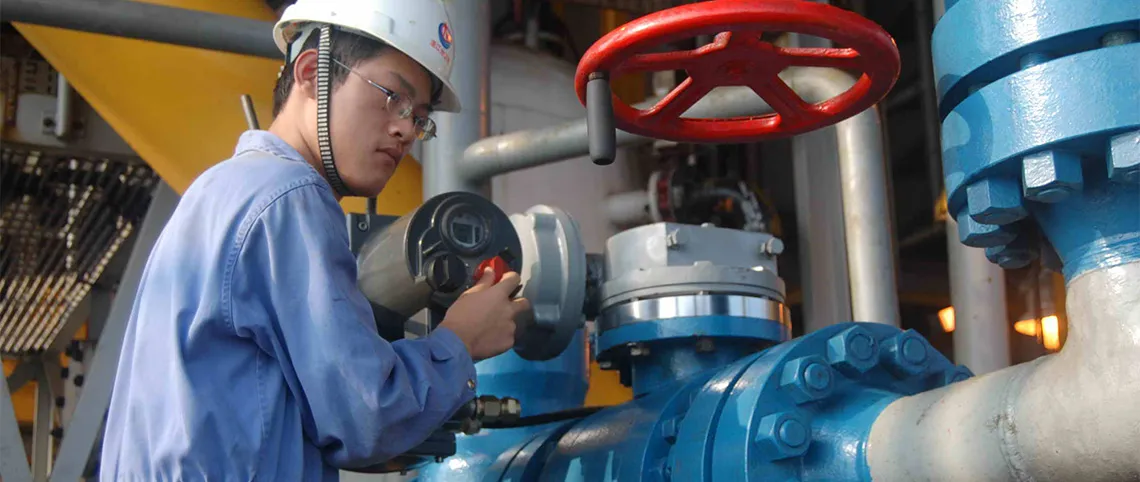

news and information
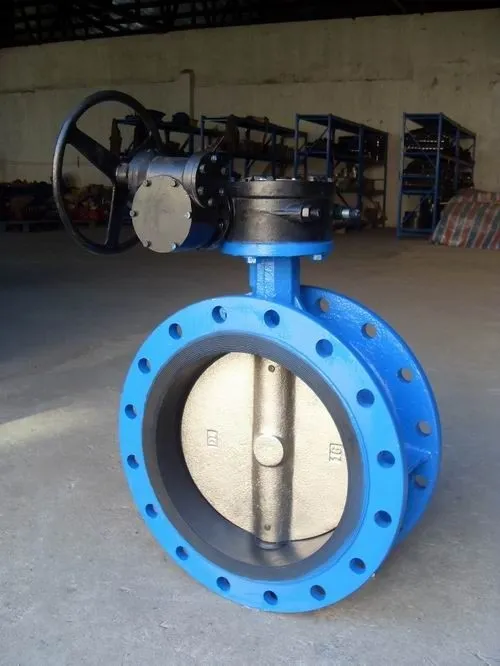
What is the Difference Between a Gate Valve and a Globe Valve_
When navigating the world of industrial valves, understanding the nuances between various types can
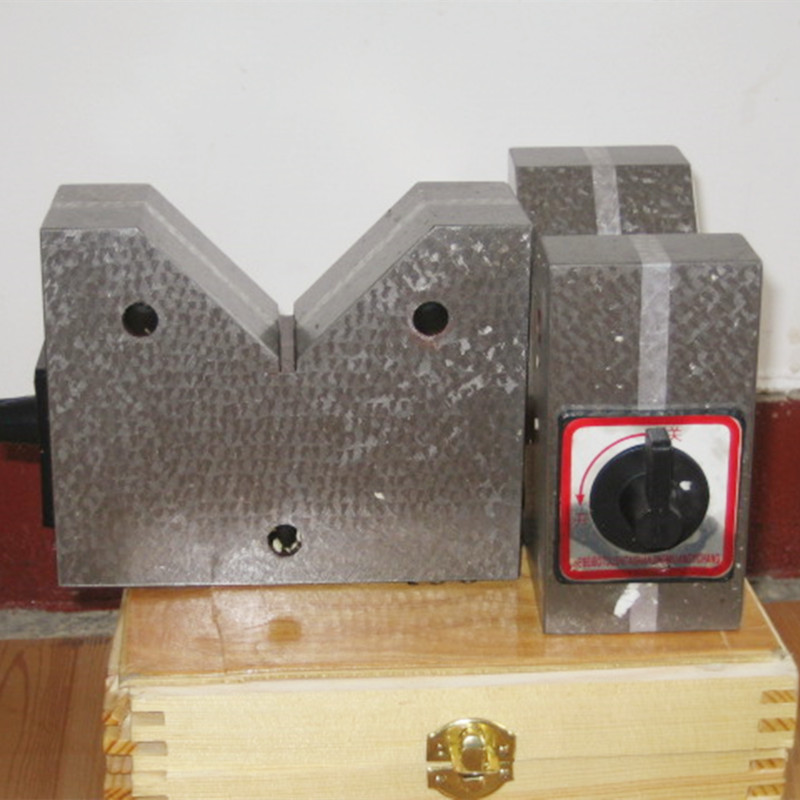
Válvula de retención 8an y su importancia en sistemas hidráulicos.
8an check valve .
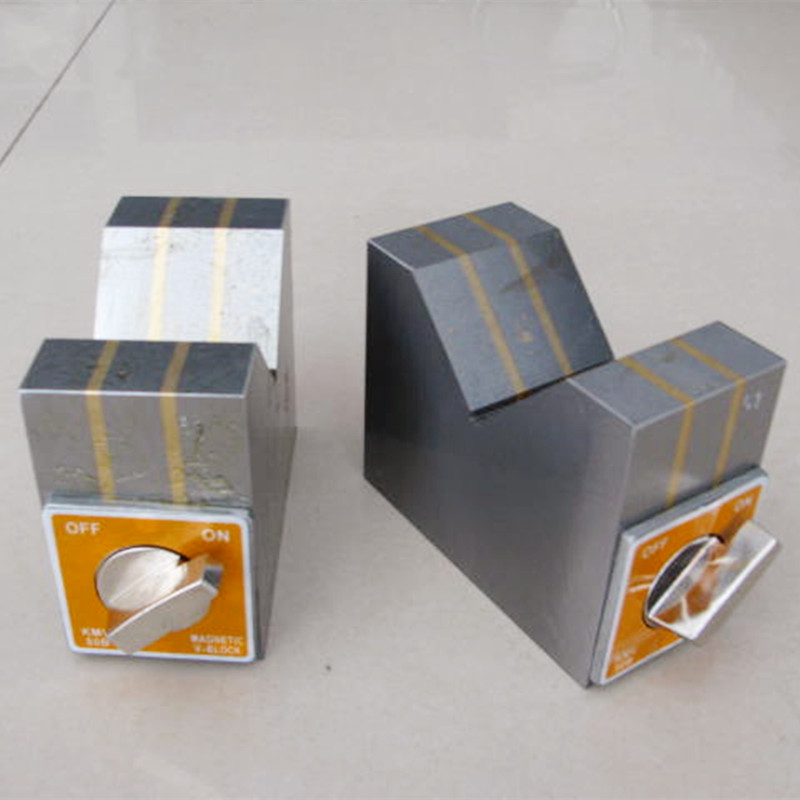
Wood Fence Post Caps Enhance Your Outdoor Space with Stylish and Durable Options for Fencing
The Importance and Aesthetic Appeal of Wood Fence Post Caps Fencing has long been an essential compo
 English